If you live or deal with the Sunshine Coast, you do not need to look far to discover somebody who has a story about a surf rescue, an unexpected collapse on a walking track, or a medical emergency at a café. Noosa is unwinded, however it is likewise active, outdoorsy, and full of visitors. That mix makes strong emergency treatment skills even more than a compliance box. They become part of the neighborhood fabric.
Good CPR training in Noosa sits at the centre of that skill set. Whether you are booking your very first complete emergency treatment course in Noosa or a short CPR refresher to keep your card current, the method you train will form how you respond when a real person is gasping or not breathing in front of you.
I have actually seen positive individuals freeze in those first three seconds, and I have seen quiet, simple employee action in and run a scene calmly till paramedics got here. The difference was not personality. It was training that stuck.
This guide breaks down what matters when you look at CPR and first aid training in Noosa, how refresher and complete courses differ, and how to match a course to your real threat and responsibilities.
Why CPR training in Noosa actually matters
Around Noosa, emergencies seldom happen in a tidy, controlled environment. They happen:
In the surf at Main Beach
On the coastal walk to Hell's Gates
Behind the bar on a Saturday night
In short stay holiday rentals loaded with checking out family
That context forms what you must anticipate from CPR training Noosa service providers provide. Local emergency treatment fitness instructors see a different mix of cases compared to an urban workplace training provider. Coastal trainers deal regularly with occurrences related to immersion, heat, effort, allergic reactions, and heart occasions in people who believed they were "pretty in shape".
When I talk with individuals after they have actually used their CPR in a real event, a couple of patterns appear once again and once again:
They seldom had much warning.
The spectators around them differed from practical to panicked.
Noise, weather, and space all made things harder.
They did not remember every information from the handbook, but the core actions returned under pressure.
That last point is where quality emergency treatment courses in Noosa show their worth. Great training constructs "muscle memory" in your hands and a clear psychological list you can follow even when your heart is racing.
Full first aid course vs CPR-only course
If you look for an emergency treatment course in Noosa, you will quickly discover a variety of choices: complete emergency treatment and CPR, CPR-only, childcare-focused, workplace-specific, and more. The terms can feel interchangeable, but they are not.
A standard Noosa emergency treatment course (typically called "Supply Emergency treatment" or comparable) generally covers:
Cardiopulmonary resuscitation (CPR) on grownups and in some cases kids and infants
Use of an AED (defibrillator)
Managing bleeding, shock, and wounds
Fractures and soft-tissue injuries
Burns, bites, and stings
Breathing problems and asthma
Allergies and anaphylaxis
Diabetes, seizures, and fainting
This kind of Noosa first aid training is perfect if you desire a detailed base, specifically if you are a parent, operate in hospitality or tourist, or have any supervisory role. For numerous national units, the first aid certificate in Noosa is valid for 3 years, although the CPR part is recommended to be refreshed every 12 months.
By contrast, a CPR course in Noosa focuses almost entirely on the chain of survival: recognise, respond, call, compress, aerate, defibrillate. It is generally shorter, more extreme, and more repetitive, sharpening a smaller sized set of skills. For many individuals who already hold a more comprehensive emergency treatment credentials, CPR courses in Noosa are the most efficient way to remain present and confident.
A general rule I offer offices is basic: if you do not yet hold a full Noosa emergency treatment certificate, begin there. If you currently do and you are inside your three-year window, a CPR refresher course in Noosa is often the wise choice.
How frequently should you do a CPR refresher?
Paper expiry dates and real-world skills do not line up. Someone can hold a valid first aid certificate Noosa employers accept, yet feel rusty and hesitant. Another person may be technically "out of date" by a month, however still very sharp due to the fact that they practise regularly.
Most recognised first aid and CPR training in Noosa follows nationwide guidance:
CPR element: refresher every 12 months
Full first aid certificate: renewal every 3 years (check the precise national system your supplier problems)
From experience, annual CPR training is not an administrative hoop. A year is long enough to forget finer points of hand position, compression rate, and how to handle an AED that is beeping at you in a crowded coffee shop. It is also long enough for standards to shift in small however significant ways.
I have watched staff members who "did a course two years back" think twice enough time to lose important seconds. I have likewise seen people who silently booked an annual CPR refresher in Noosa advance without fanfare, begin compressions, direct bystanders, and turn over efficiently to paramedics.
If you are responsible for others in any structured setting - from a child care centre to a tour boat to a fitness center - deal with the 12-month CPR refresher cycle as non-negotiable. For parents or private individuals, the very same timing still makes useful sense, even if nobody is checking your card.
What to look for in Noosa emergency treatment training
Not all emergency treatment training in Noosa is equal. The content may follow the very same nationwide units, however delivery quality differs widely. When you compare Noosa first aid courses, look beyond the schedule and price and consider how well the company prepares you for real incidents.
Here are 5 practical requirements that different average courses from really beneficial ones:
Local significance. Fitness instructors who understand Noosa's environment consist of examples around surf events, treking injuries, marine stings, and tourist-heavy places. This context helps you remember under pressure.
Hands-on ratio. The more time you invest in the manikin, the much better. Try to find CPR training in Noosa where you are not just seeing demonstrations however performing duplicated cycles of compressions and ventilations.
Realistic situations. Scenario-based practice bridges the space between theory and reality. Great courses construct short, believable occurrences: a grandparent collapsing in the house, a child pulled from a yard pool, a bar patron suddenly unresponsive.
Trainer experience. There is a difference in between somebody who has only ever taught from a book and fitness instructors who have actually worked in emergency situation action, nursing, or extensive medical functions. Both can teach material, however lived experience adds nuance and judgment.
Support materials. First aid courses in Noosa that provide you clear, functional reference material after the day - concise pamphlets, tips, or even basic refrigerator cards - help cement your learning.
If you see "First Aid Pro Noosa" or other recognized service providers noted, take a look at their fitness instructor bios and course outlines. Trusted organisations are normally transparent about how they teach, not just the units they issue.
CPR-only courses: when a focused refresher is best
CPR-only courses fit people who already have a strong emergency treatment base and a specific reason to stay sharp on resuscitation abilities. Some of the typical groups I see in CPR Noosa sessions consist of:
Hospitality employees on hectic Hastings Street
Yoga and physical fitness instructors
Surfing coaches and outside activity leaders
Aged care and special needs assistance staff
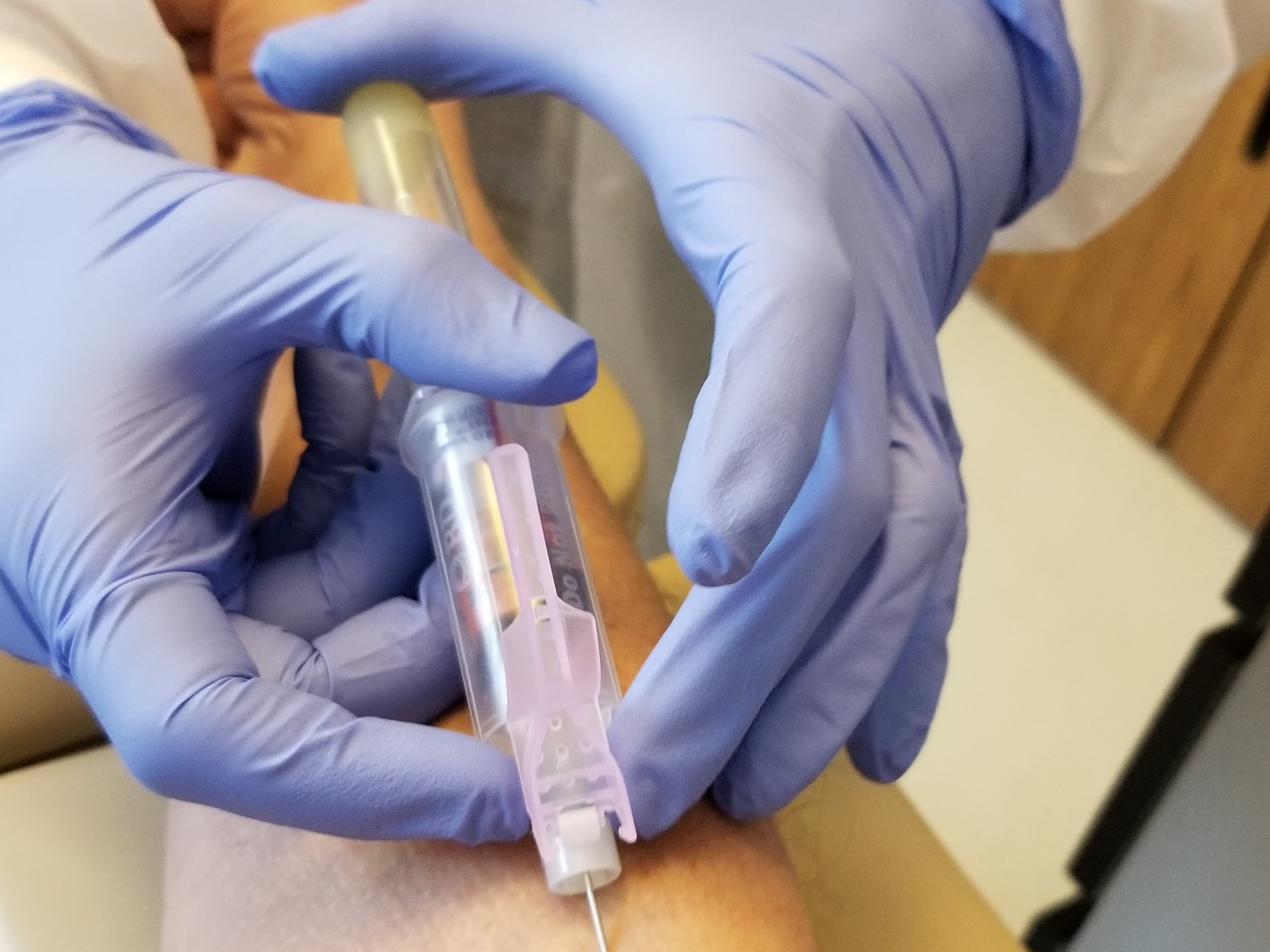
A common CPR course in Noosa runs for 2 to 3 hours. Great sessions pack in several practice cycles, AED usage, choking actions, and sometimes baby and kid resuscitation, depending on the unit.
The most valuable CPR refresher courses in Noosa do not just repeat the very same script year after year. They update you on any standard changes, let you correct sneaking bad practices, and reconstruct your self-confidence till you are back at a point where beginning compressions seems like an automated choice instead of a dispute in your head.
If your workplace compliance officer is simply examining boxes, they might deal with any course as interchangeable. You do not have to. Request for CPR training Noosa choices that line up with the real age groups and threats you are most likely to face.

Combined first aid and CPR courses in Noosa
Many people choose emergency treatment and CPR courses in Noosa that plan whatever into a single, longer day. These combined sessions make sense if:

You are new to first aid and want a total ability set
Your old emergency treatment certificate has expired
You are altering jobs into a role that defines both first aid and CPR as mandatory
You prefer getting it all done in one reservation rather than splitting it throughout separate days
A solid emergency treatment and CPR course Noosa locals go to ought to give you a mix of theory, demonstration, and hands-on practice. When you leave, you ought to feel reasonably positive to handle not only a cardiac arrest, however likewise the more frequent concerns such as falls, cuts, burns, and small medical episodes that still deserve skilled care.
In my experience, the very best combined first aid and CPR Noosa sessions keep the class energy up by weaving situations across topics. Instead of obstructing all the theory simultaneously, then all the practice, they cycle in between brief mentor sections and used exercises, which keeps people engaged and improves retention.
Choosing the best level for your role and risk
Not everyone in Noosa requires the same depth of training. Matching the ideal kind of Noosa first aid course to your obligations avoids both under-preparation and unnecessary overkill.
Here is a practical, top-level guide to assist you choose:
- If you manage or monitor personnel: Aim for a full Noosa first aid course plus annual CPR refreshers. You are likely to be aimed to as a leader during occurrences, and your choices set the tone. If you work directly with kids: Select first aid courses in Noosa that include kid and infant CPR, choking management, and anaphylaxis. Many child care and education roles specify exact systems, so inspect your regulative requirements. If you work in hospitality or tourist: At a minimum, complete first aid training in Noosa with a strong CPR component, and keep CPR refreshed yearly. High foot traffic and blended age increase the chance you will face a genuine event. If you remain in sport, physical fitness, or outside activities: Select a Noosa emergency treatment training company that understands exertional illness, heat tension, and trauma. CPR is still the core, however situation style matters. If you are a moms and dad or carer: A basic first aid course in Noosa that emphasises home occurrences, childhood illness, and infant CPR gives you a strong foundation. Numerous moms and dads I understand repeat CPR more often than required simply for peace of mind.
Even within a single office, you can have various levels. A front-line staff member might require complete first aid and CPR, while a back-office administrator may just need CPR training in Noosa if they are hardly ever in public-facing roles. Tailor, rather than blindly standardise.
What really takes place in a CPR class
For people scheduling their very first CPR course in Noosa, the unknown can feel intimidating. A clear photo of the day frequently minimizes that worry.
Most CPR classes follow a similar arc. After sign-in and a quick summary, the fitness instructor will typically:
Explain the standard physiology of breathing and blood circulation in basic terms
Demonstrate how to identify cardiac arrest vs other collapses
Talk through DRSABCD or equivalent emergency situation action plans
Show you how to place your hands on the chest, the depth and rate of compressions, and how to utilize barrier gadgets if included
Introduce an AED and make it clear how simple these devices actually are
Then the genuine work starts. You will invest a great part of the session practicing compressions on adult manikins, and frequently on baby and kid manikins too. Experienced trainers walk, fix your posture and rhythm, and motivate you to operate at a realistic speed. It is physically tiring, which is honest, because genuine CPR is too.
Scenario elements might be as simple as "your uncle collapses at a family barbecue" or as specific as "an internet user is pulled from the water at Sunshine Beach, not breathing". You will cycle through roles: first responder, caller to emergency services, AED handler. This rotation assists embed a sense of the entire scene, not simply your hands on the chest.
Many individuals are shocked at how quickly 2 minutes of compressions seems like tough workout, and this belongs to the lesson. You learn direct why turning rescuers matters and why early AED usage changes outcomes.
First aid Pro Noosa and other regional providers
If you are comparing regional training alternatives, you will probably see names like First Aid Pro Noosa in search results. While I will not promote one supplier as "the best", there are some sensible concerns you can ask any organisation using a Noosa first aid course:
Do you provide nationally identified declarations of attainment?
What is the maximum class size, and how many manikins are available?
For how long is the hands-on CPR component, roughly?
Do you cover baby and kid CPR in addition to adult?
Can you tailor emergency treatment training in Noosa to an office's particular risks?
Providers who more than happy to address those questions clearly and concretely usually take training quality seriously. If you get unclear reactions like "we follow the guidelines" without detail, deal with that as a soft warning sign.
One benefit of recognized brand names such as Emergency treatment Pro Noosa is consistency. Larger organisations tend to have structured trainer advancement, standardised products, and clear recertification pathways. On the other hand, smaller sized regional fitness instructors in some cases bring highly specific local insight and flexibility, particularly for specific niche industries.
Matching your option to your requirements is more vital than chasing a brand name. A small tourism operator might benefit more from a fitness instructor who understands marine environments intimately than from a generic city-focused curriculum, while a business workplace may choose the predictability of a big provider.
How to keep abilities sharp between courses
Even if you stick to a yearly CPR course in Noosa, that still leaves many months in which skills can fade. I typically suggest a basic, low-effort routine to people who want their training to "stick".
Here is a brief, useful upkeep plan you can adapt:
- Once a month, take 5 minutes to psychologically walk through DRSABCD from start to complete while envisioning a real setting you frequent, like your office or regional browse club. Every couple of months, enjoy a short, reliable CPR video from a recognised organisation and compare it to what you found out in your Noosa emergency treatment course. If your office has an AED, physically stroll to it, inspect it is available, and review any directions or regional protocols. Talk through a "what would you do if ..." circumstance with a coworker, pal, or member of the family, and observe any actions you are reluctant on. If your company provides internal drills or simulations, volunteer. Muscle memory builds finest through repeated, spaced practice.
These quick touch points cost practically nothing in time, however they offer your brain duplicated cues that keep CPR steps near the surface. That matters when seconds count.
First aid Noosa for particular environments
The Noosa area has particular threat profiles. Choosing Noosa emergency treatment training that talks to these environments improves relevance and retention.
For beach and surf settings, courses that attend to drowning, back preventative measures in water settings, jellyfish stings, and heat-related illness are valuable. Surf lifesaving clubs frequently enhance basic first aid and CPR Noosa sessions with extremely specific local procedures, which can be a design for other groups.
For hinterland hikes and trails, bleeding control, sprains and fractures, snakebite management, and communication in low-signal areas become more important together with CPR. Guides and group leaders gain from circumstance training that presumes delayed ambulance action times.
For hospitality and occasions throughout Noosaville Noosa first aid and Hastings Street, trainers ought to concentrate on crowd management throughout emergency situations, identifying intoxication versus medical crises, and working securely in tight, loud areas. CPR in a hectic dining establishment feels rather different to CPR in a wide, open park.
A properly designed Noosa first aid training program adjusts its focus based on where you live and work rather than teaching a generic, one-size-fits-all approach.
Booking and preparing for your course
Once you have selected between a full first aid course in Noosa and a CPR-specific option, preparation is straightforward, yet a little bit of thought can make the day smoother and more effective.
Wear comfy clothes that lets you kneel on the floor and lean over a manikin without constraint. If you have existing knee, back, or shoulder problems, tell your fitness instructor early so they can adapt practice for you while still guaranteeing you understand the appropriate technique.
Hydrate and eat normally before the course. Individuals sometimes undervalue how physically demanding repeated CPR practice can feel, especially in warm weather condition. Light extending before and after the hands-on section can also minimize discomfort the following day.
Arrive with a genuine situation in mind that worries you: a parent collapsing at home, an occurrence at your office, a child in a pool. When principles are tied to a concrete mental photo, they stick much better than abstract rules.
Most Noosa first aid course companies will send pre-course reading or online modules. Take them seriously. Finishing them properly suggests the face-to-face part can spend more time on practice and less on reading slides aloud. That makes your money and time far better spent.
Making CPR and emergency treatment part of Noosa's culture
When you look throughout a neighborhood, you can typically tell which towns and residential areas have embedded first aid skills into every day life. AEDs show up and available. Staff confidently step up when someone collapses. Schools, clubs, and work environments treat courses as regular, not as begrudged chores.
Noosa has many of the components already: active browse clubs, engaged schools, a large tourist workforce, and a strong sense of regional pride. Broadening access to emergency treatment and CPR courses Noosa large, and normalising yearly refreshers, is a natural extension of that.
Whether you are a private reservation a single CPR Noosa refresher or a manager arranging Noosa first aid courses for personnel, you are helping shift the default. The more individuals who can start reliable CPR within that very first critical minute, the much better the odds that a sudden collapse on a path, in a café, or beside a swimming pool will end with a healing story rather than a tragedy.
Training will not eliminate every threat. It will, however, guarantee that when somebody's heart stops, individuals neighboring know what to do, have actually practised it just recently, and can act with calm urgency until aid shows up. In an area like Noosa, that is one of the most useful contributions you can make to the security of both residents and visitors.
Nationally Recognised First Aid Courses Noosa Locals Trust! First Aid Pro is one of Noosa’s leading providers of accredited CPR and first aid courses. Established in 2010, our nationally registered training organisation (RTO) has equipped over 3 million Australians with essential life-saving skills through our experienced team of 110+ expert trainers. Conveniently servicing Noosa and the Sunshine Coast region, we provide top-quality, nationally accredited CPR and first aid training sessions tailored to your needs, whether for workplace requirements, career advancement, or personal safety. From childcare-specific first aid training to advanced first aid and resuscitation courses, we’ve got you covered. First Aid Pro – First Aid Course Noosa Noosa Conference Centre 73 Hilton Terrace Noosaville QLD 4566 Australia Phone: (08) 7120 2570 Secure your Noosa first aid course or CPR training with us and build the confidence to handle emergencies with a trusted Noosa first aid provider. Take the first step towards becoming a skilled and capable first aider with First Aid Pro Noosa today.
Location & Venue Details Our First Aid Pro Noosa courses are held at Noosa Conference Centre, 73 Hilton Terrace, Noosaville QLD 4566, conveniently located in the heart of Noosaville. This modern and well-equipped venue provides a professional and comfortable training environment ideal for first aid, CPR, and childcare first aid courses. It’s the perfect location for participants travelling from Noosaville, Noosa Heads, Tewantin, Sunrise Beach, and surrounding Sunshine Coast suburbs. Situated close to the Noosa River, the venue is near popular local landmarks including Noosa Marina, Noosa Civic Shopping Centre, Noosa National Park, and Hastings Street. The surrounding area offers a variety of cafés, restaurants, and takeaway outlets—perfect for enjoying lunch or coffee before or after your course. With easy access to Noosa Main Beach and nearby riverside parks, it’s also a great place to relax before or after your training. Training is conducted in spacious, air-conditioned rooms within Noosa Conference Centre, equipped with high-quality first aid and CPR training equipment and comfortable seating. The venue provides convenient onsite parking and nearby street parking for participants attending the course. The site is fully accessible, offering step-free entry and accessible restroom facilities, ensuring a smooth and inclusive training experience for all learners.